
Before You Underpin: 10 Things No One Tells You
Underpinning is one of the most transformative things you can do to a home. It gives you more ceiling height, more usable space and a stronger foundation. But the process is more involved than most homeowners expect. If you have only ever seen the before and after photos online, here are the ten things no one talks about until you are actually in it.
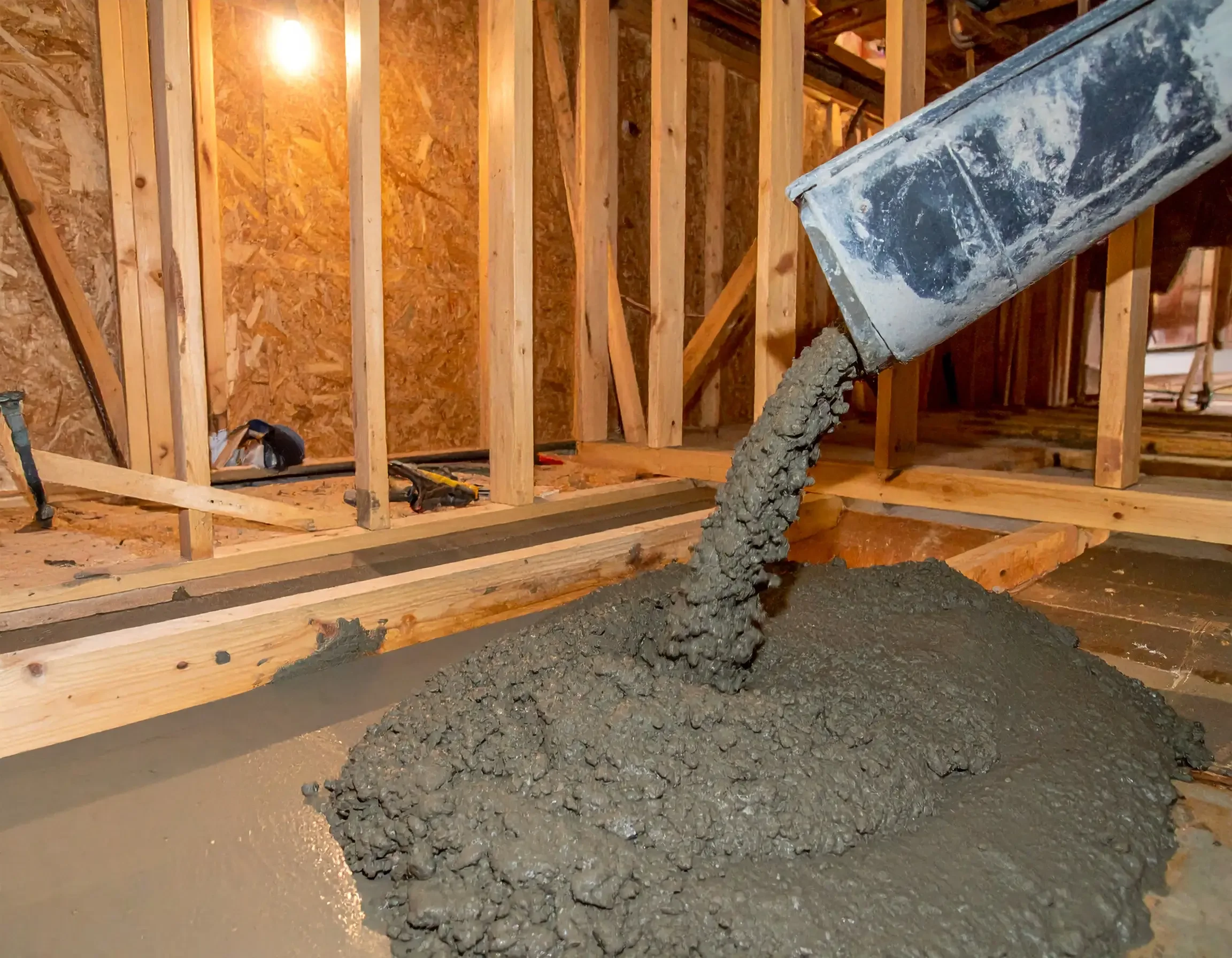
1. Your basement will look worse before it looks better
The first stage of underpinning is messy. Earth is removed in sections, trenches open up across the floor and the space looks like a dig site instead of a basement. This is normal. It is part of the process. The clean and level concrete slab comes much later.
2. It takes longer than homeowners expect
Underpinning is not like a typical renovation. It moves in stages and each stage depends on inspections, curing times and safety checks. Even with a great crew, it is a slow and precise process. Rushing is never an option when you are working on a home’s foundation.
3. You will be shocked by how much soil is removed
The amount of earth that comes out of a basement is always surprising. The height change may only be a couple of feet, but across an entire basement it adds up fast. Most homeowners do not realize how many bins of soil leave their property during the first week alone.
4. Inspections are constant
Every stage of underpinning includes inspections from engineers and the city. This is a good thing. It keeps the project safe and ensures each step is completed correctly, but it also means work happens in controlled sections rather than all at once.
5. Your home stays fully supported the entire time
People often imagine the house floating in mid air with nothing underneath it. That never happens. Underpinning is done in small, carefully planned sections so the home remains supported at all times. It looks intense, but it is extremely controlled.
6. Water management becomes a major priority
Once you dig lower, you are closer to moisture and groundwater. Proper waterproofing is not optional. Drainage, sump pumps, vapor barriers and waterproof membranes all play a role in keeping the new basement dry for decades.
7. You will have more design decisions than you expect
Underpinning is not just a structural upgrade. It affects everything in the final finished basement. You will be choosing the new floor height, insulation type, waterproofing system, ceiling layout and where future walls and rooms will go. Decisions start earlier than most homeowners realize.
8. Noise and vibration are part of the process
Even though everything is done safely, underpinning still creates noise and vibration throughout the home. It is not constant, but it is noticeable. The good news is that it does not last forever and the major groundwork eventually settles into quieter tasks.
9. It is one of the biggest value increases you can make
Lowering a basement and giving the home a full height level makes a dramatic difference in the long term value of the property. Even if you are not finishing the basement immediately, the new height and structural strength are major selling features.
10. The final result feels like a completely new floor of your home
When the underpinning is done, the concrete is poured and the waterproofing is in place, the basement no longer feels like a basement. It feels like another full level that can become anything you want. A family room, a rental suite, a gym, an office or a bedroom. The transformation is huge.

Thinking about lowering your basement
If you are considering underpinning and want clear answers about cost, timelines and feasibility, contact us for a free quote and an honest assessment of your space.