
The Biggest Mistake Homeowners Make When Adding a Secondary Unit
Adding a secondary unit, whether it is an ADU, basement suite, laneway home, or in-law suite, is one of the most effective ways to increase usable space and long-term property value.
But there is one mistake that shows up more than anything else.
Homeowners focus on the design before they fully understand the constraints.
It sounds simple, but it is the difference between a smooth project and a complicated one.
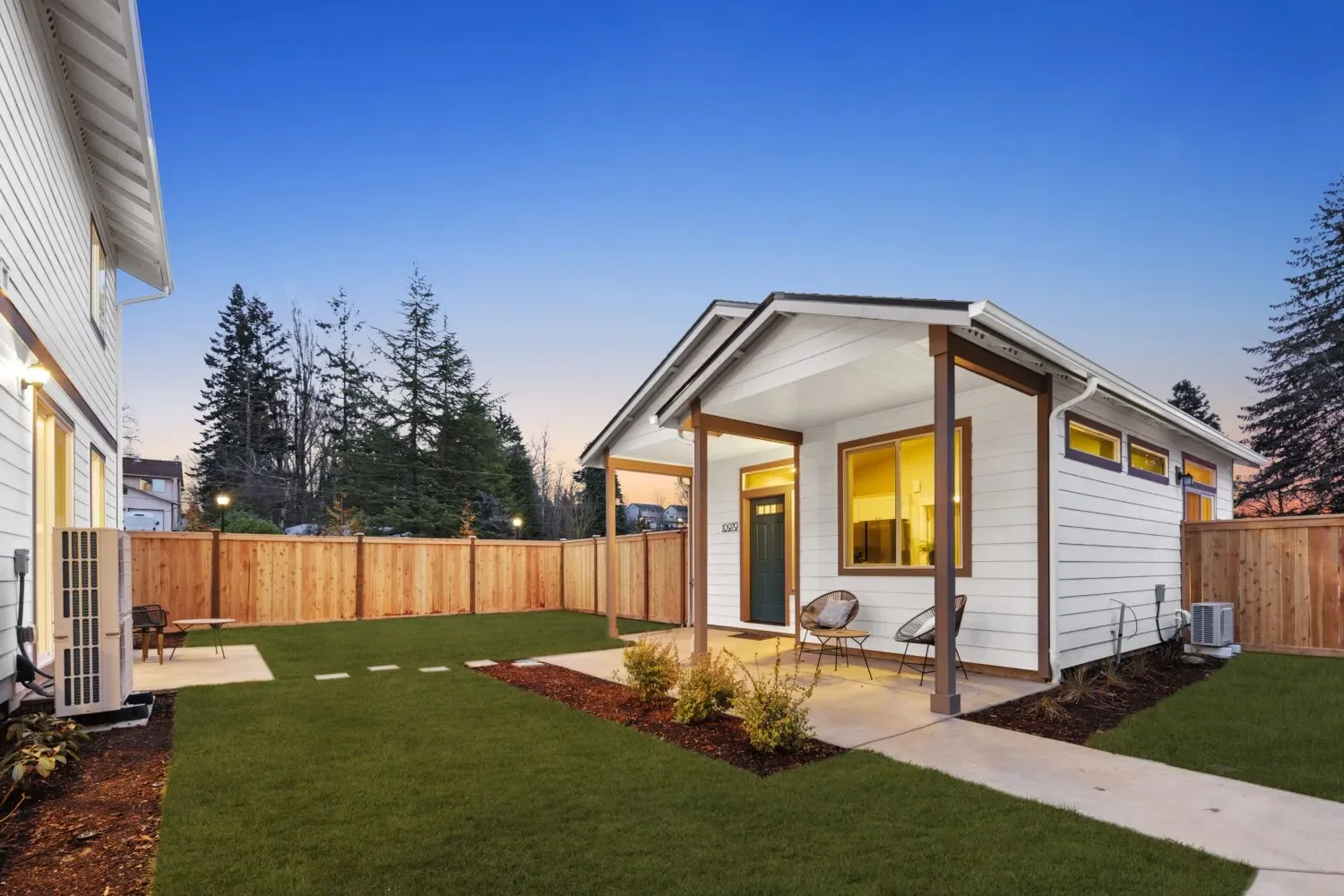
Starting with design instead of feasibility
A lot of projects begin with inspiration. Layout ideas, Pinterest boards, finishes, and how the space will look when it is done.
The problem is that secondary units are heavily defined by what is possible, not just what looks good.
Zoning, ceiling heights, fire separation, plumbing routes, electrical capacity, and access requirements all shape what the space can realistically become.
If those factors are not understood early, the design often has to be reworked later.
Underestimating building code and compliance requirements
Secondary units come with specific code requirements that do not always exist in standard renovations.
Things like egress windows, fire-rated assemblies, ventilation, insulation values, and sound separation can significantly impact layout and cost.
When these are not considered upfront, they often force design changes mid process, which leads to delays and added expense.
Not fully understanding site limitations
Every property is different. What works in one home may not work in another, even if the concept is similar.
Things like foundation depth, ceiling height, mechanical placement, drainage, and existing structure all influence what can actually be built.
Ignoring these early constraints often leads to designs that are not buildable without major adjustments.
Budgeting based on ideal design instead of real scope
Another common issue is setting a budget based on a conceptual design instead of a fully defined scope.
Once structural changes, code upgrades, and utility work are properly accounted for, the real cost of a secondary unit can look very different from initial expectations.
Without early alignment, projects often need to scale back or adjust once pricing becomes clear.
How we approach secondary unit planning
The most important step is not design. It is alignment.
We start by understanding the property, the constraints, and the requirements before committing to a layout. That includes reviewing structure, services, zoning, and feasibility before detailed design begins.
Once the framework is clear, design becomes much more efficient because it is built around what is actually achievable.
The benefit of planning in the right order
When secondary units are planned properly, the project becomes more predictable.
Design decisions are informed by real constraints, budgets are aligned with actual scope, and construction moves forward without constant redesign.
It creates fewer surprises and a much smoother build process overall.
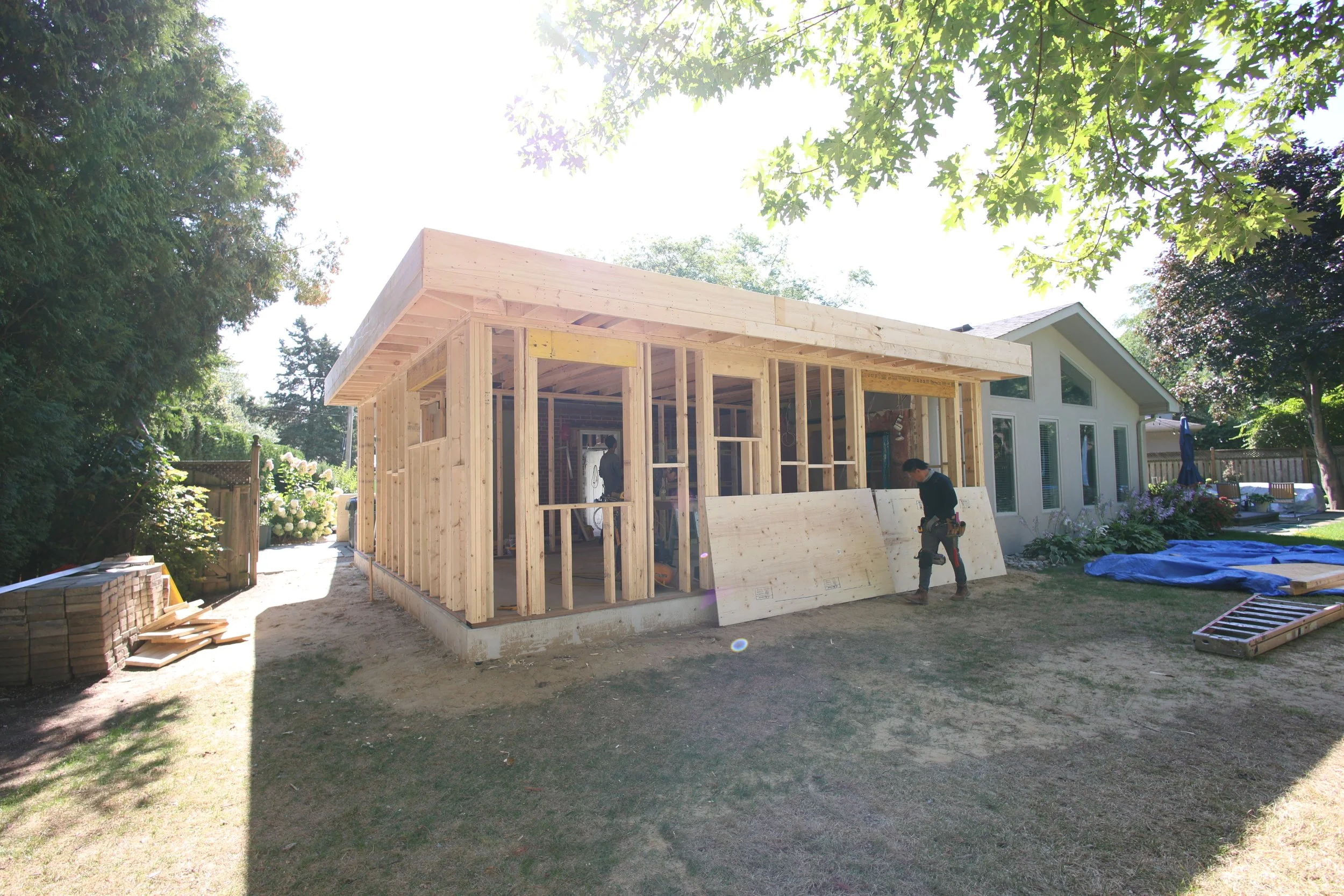
Final thoughts
The biggest mistake is not the design itself. It is skipping the step that connects design to reality.
When feasibility comes first, everything else becomes clearer, faster, and more controlled.
Work with us
If you are considering a secondary unit or ADU and want to make sure it is planned correctly from the start, get in touch with us. We focus on feasibility, planning, and execution so your project is designed to be built, not just designed to look good.