
What Permits You Actually Need for a Renovation
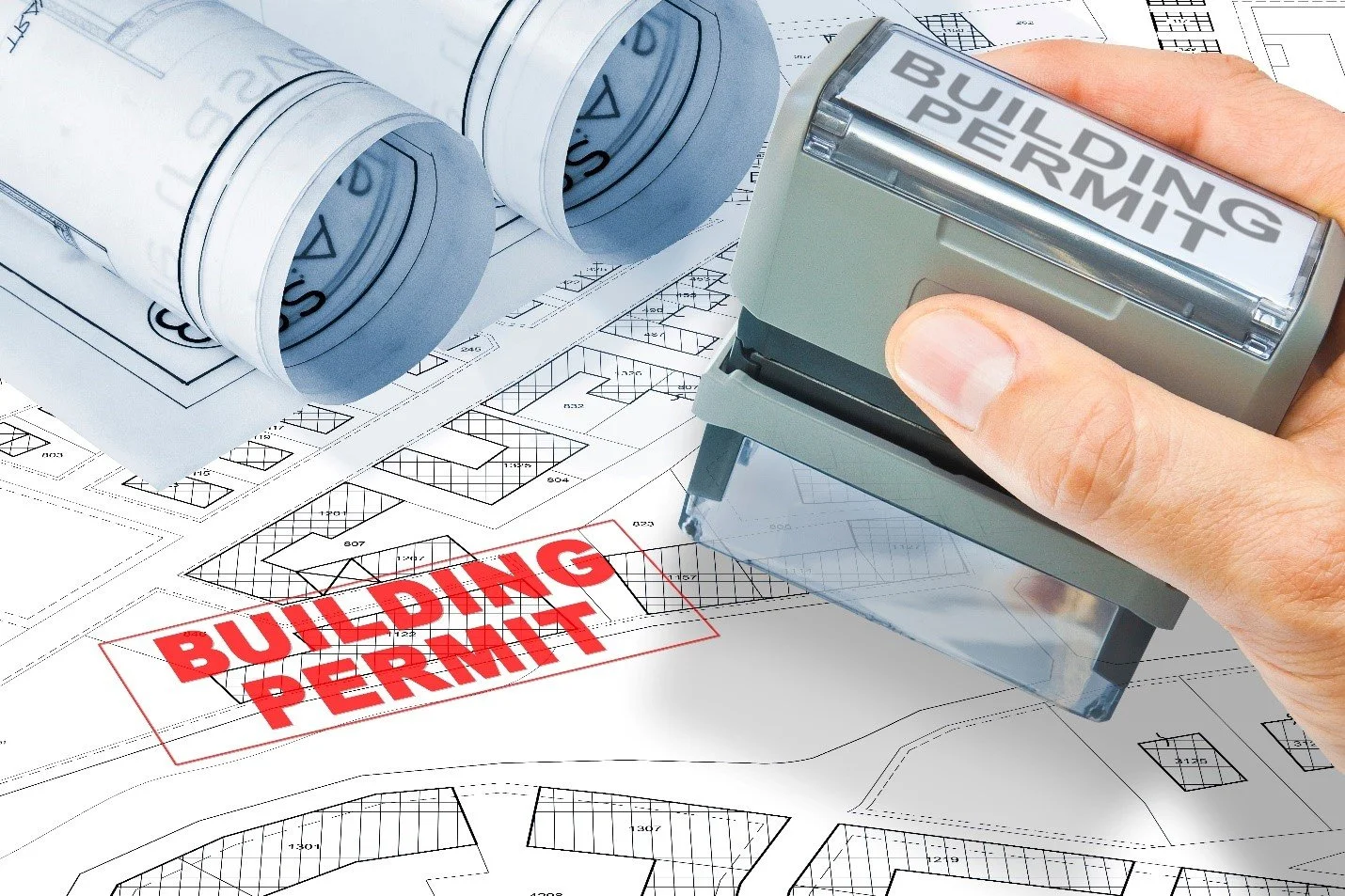
One of the most common questions homeowners ask when planning a renovation is whether permits are required. The answer depends on the type of work being done. Some updates can move forward without city approval, while others require permits to ensure the work meets safety standards and building codes.
Understanding when permits are required can help avoid delays, fines or complications later on.
Here is a simple overview of the renovations that typically require permits.
Structural changes
Any work that affects the structure of the home usually requires a permit. This includes removing load bearing walls, adding beams, building additions or making changes to the foundation.
Because these changes affect the safety and stability of the home, they must be reviewed and approved before construction begins.
Additions and new structures
Building a home addition, a second story, a garage, or an accessory dwelling unit requires permits. These projects must meet zoning regulations, height limits and setback requirements.
The city reviews the design to ensure the structure complies with local regulations and building codes.
Major plumbing changes
If a renovation involves moving plumbing lines, installing new bathrooms, or making significant changes to water systems, permits are usually required.
This ensures the plumbing work is completed safely and connected properly to the existing systems.
Electrical upgrades
Large electrical upgrades, new panels, or major electrical work typically require approval and inspection. Electrical permits help confirm the system is safe and capable of supporting the new equipment or layout.
Basement renovations
Finishing a basement or converting it into a rental unit often requires permits, especially if the project includes new walls, bathrooms, kitchens or separate entrances.
Permits help ensure the space meets safety standards such as ceiling height, ventilation and emergency exits.
What usually does not require a permit
Many cosmetic updates do not require permits. These include painting, replacing flooring, updating cabinets, installing countertops or replacing fixtures without changing plumbing or electrical systems.
These improvements are considered surface updates and do not affect the structure or safety of the home.
Why permits are important
Permits are not just paperwork. They help ensure renovations are completed safely and correctly. Inspections confirm that the work meets building codes and protects both the homeowner and future buyers.
Skipping permits can create problems during resale, insurance claims or future renovations.
Working with a contractor
An experienced contractor will help guide you through the permit process and determine what approvals are required for your specific project. This ensures the renovation follows the proper steps and avoids unnecessary complications.
Planning your renovation
If you are planning a renovation and want to understand what permits may be required, contact us for a free quote. We can review your project, guide you through the process and help ensure everything is completed properly from the start.